



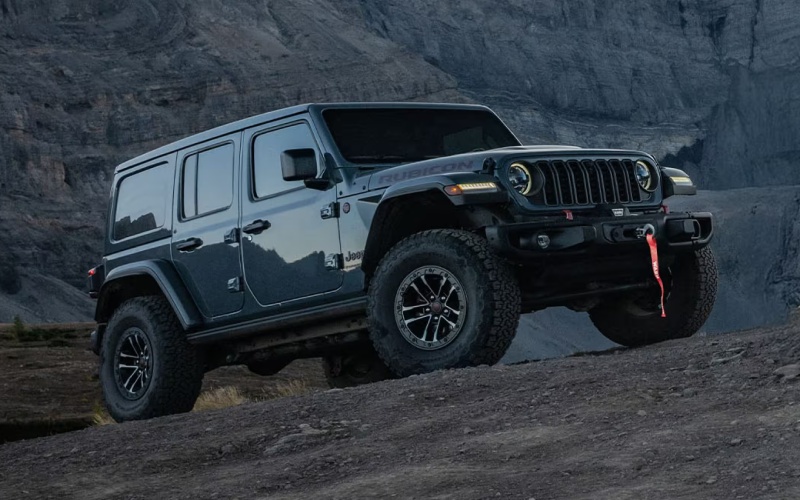
Prestige Auto - How to Inspect and Test-Drive a Used Jeep 4x4 for Wisconsin Roads in Eau Claire, WI
Shopping a used Jeep should feel thorough, not rushed—especially when your routine includes I-94, errands along Clairemont Avenue, and the occasional gravel detour out toward Lowes Creek County Park. A smart inspection and test-drive reveal how a Jeep will handle your actual roads, from highway merges to rutted lanes. This guide walks you through what to check before, during, and after a drive so you can decide confidently.
Understand Your 4x4 System Before You Start
Jeep uses different systems that behave uniquely on pavement. Part-time setups like Command-Trac are best for loose surfaces in 4H and 4L, while Selec-Trac and Quadra-Trac offer an Auto or full-time mode you can use on dry pavement. Wrangler Rubicon’s Rock-Trac gears lower and lock for control off-road, and Grand Cherokee’s Quadra-Drive II can proactively send torque to a single wheel. Knowing the system under you will frame what you test.
Begin with a walkaround and pre-inspection. Look for even panel gaps, intact roof and door seals (especially on Wranglers), clear headlight lenses, and even tire wear across all four corners. Peek underneath for rust at frame rails, control arms, skid plates, and exhaust hangers. Light surface rust is normal in Wisconsin; heavy scaling, soft spots, or flaking lines call for a deeper look. Note the hitch, wiring, and trailer controller if you plan to tow.
- Bring: A flashlight, paper towels, a phone charger, and a tire tread gauge.
- Wear: Clothes you do not mind getting dusty so you can check underbody spots with ease.
- Plan: A route that includes highway speeds, stop-and-go, and a safe gravel stretch.
- Record: Notes or voice memos on noises, vibrations, and indicator behavior you notice.
On-Lot Checks Before Ignition
Open and close every door, the liftgate, and—on Wranglers—the top panels. Look for water marks near sills and cargo floors that hint at past leaks. Sit in each seat to confirm headroom with and without hats or winter gear. Inside, test Uconnect: pair your phone, stream audio, verify CarPlay or Android Auto connects quickly, and cycle through climate controls, seat heaters, and steering-wheel heat. Put the transmission in every position with your foot on the brake, confirming smooth engagement.
Shape your test-drive for local relevance. From the lot, add a highway on-ramp to evaluate torque and merging composure, then spend a few minutes at 55-65 mph to listen for wind whistle or tire hum. Navigate a few city blocks with manhole covers and patched asphalt to sample ride control and body motions. If possible, add a brief gravel or well-graded shoulder to evaluate dust sealing and 4x4 engagement. This mirrors what buyers near Osseo, WI often face: mixed surfaces in the same trip.
- Engage Auto/4H: On a straight, dry road, confirm seamless engagement and no binding when turning gently.
- Test 4L: Stop completely, shift to Neutral, engage 4L, and roll slowly—this should feel controlled, not choppy.
- Lockers (if equipped): Activate only in a safe, loose area—verify indicator lights and smooth disengagement.
- Steering feel: At speed, the wheel should track straight with minimal correction; on gravel, feedback should feel predictable.
- Brake check: Make a medium stop from 45 mph; watch for pedal pulsation and steering-wheel shimmy that may flag rotors or alignment.
Listen and Feel: Drivetrain and Suspension Clues
Growling that rises with speed can suggest wheel bearings; clicking on tight parking-lot turns can point to CV or U-joint wear; thunks over cracks may be sway-bar links or control-arm bushings. A mild Wrangler shimmy can come from tire balance or a worn steering damper, while wander may indicate alignment or component wear. None of these are deal breakers automatically—use what you feel to plan a shop inspection and negotiation.
Do a tech and safety sweep. Confirm backup camera clarity at dusk or in a shaded area, run adaptive cruise (if equipped) on a clear stretch, and verify blind-spot and rear cross-traffic alerts trigger appropriately. Test every window, mirror heater, and 12V/USB port. Cycle the wipers and washers, then pop the hood and check for belt cracks, fluid smells, or residue near the radiator end tanks. Ask for the maintenance file and history report and note transfer case, differential, and transmission services—these matter on 4x4s that tow or see gravel regularly.
Paperwork and Next Steps
Before you decide, review the title status, history report, any open recalls, and documented services. If questions remain, request a pre-purchase inspection. A local shop familiar with Jeeps or our service department can provide a measured report so you know exactly what you are buying. If a vehicle fits, line up financing and trade details. You can start both online to save time, then finalize in-store with a proper test-drive and a route that proves the Jeep fits your week. Count on Prestige Auto to help you compare trims, go over 4x4 operation, and map a drive that feels relevant to your roads.
Frequently Asked Questions:
How long should a proper Jeep test-drive take?
Plan 20-30 minutes minimum so you can include a highway run, a few city blocks, and a short gravel or uneven surface when safe.
Is a hardtop or soft top better on a used Wrangler?
Hardtops are quieter and insulate better; soft tops are lighter and easier to open. Pick based on noise tolerance and how often you want open air.
What’s a normal level of wind noise on Wranglers?
Some wind noise is expected; excessive whistle around the windshield or door tops suggests seal or alignment adjustments are needed.
Should I be worried about minor underbody rust?
Light surface rust is common; heavy scaling, deep pitting, or soft spots on structural areas deserve a thorough inspection and cost review.